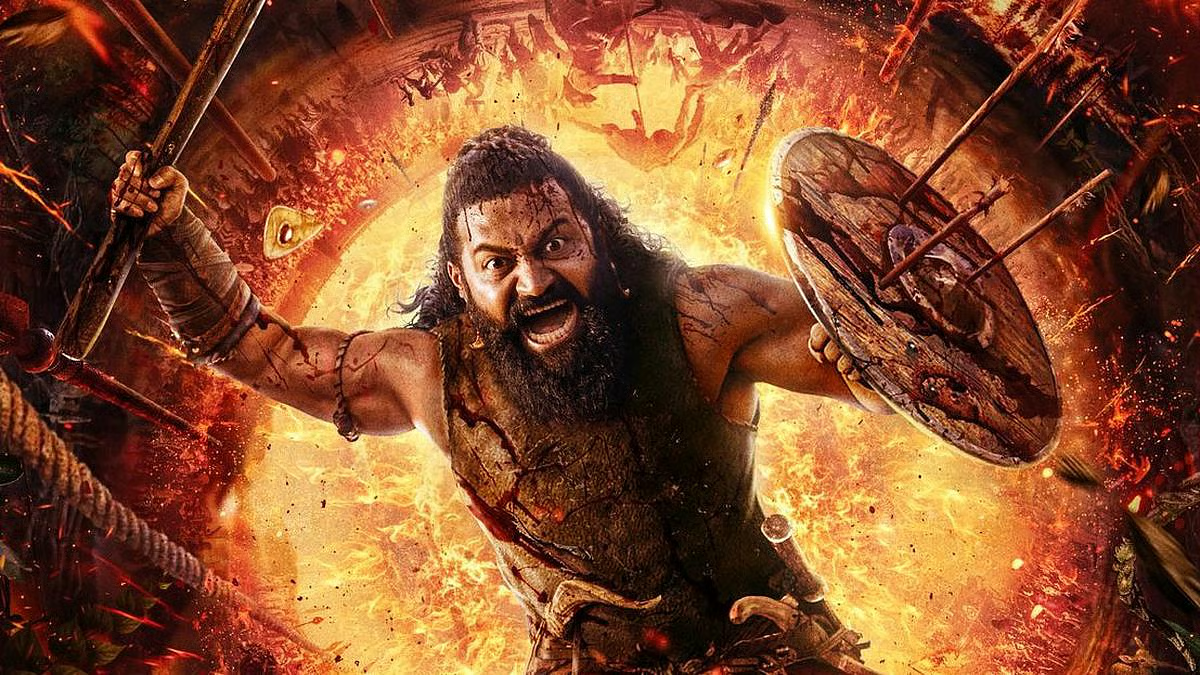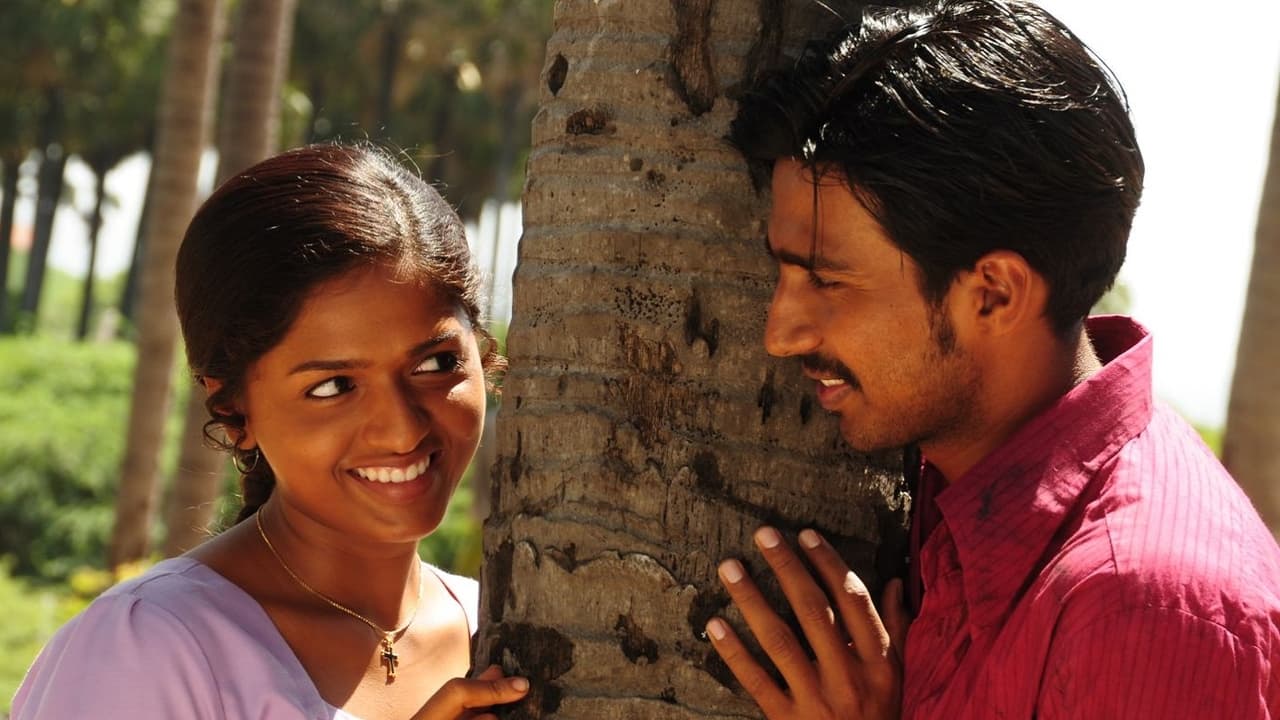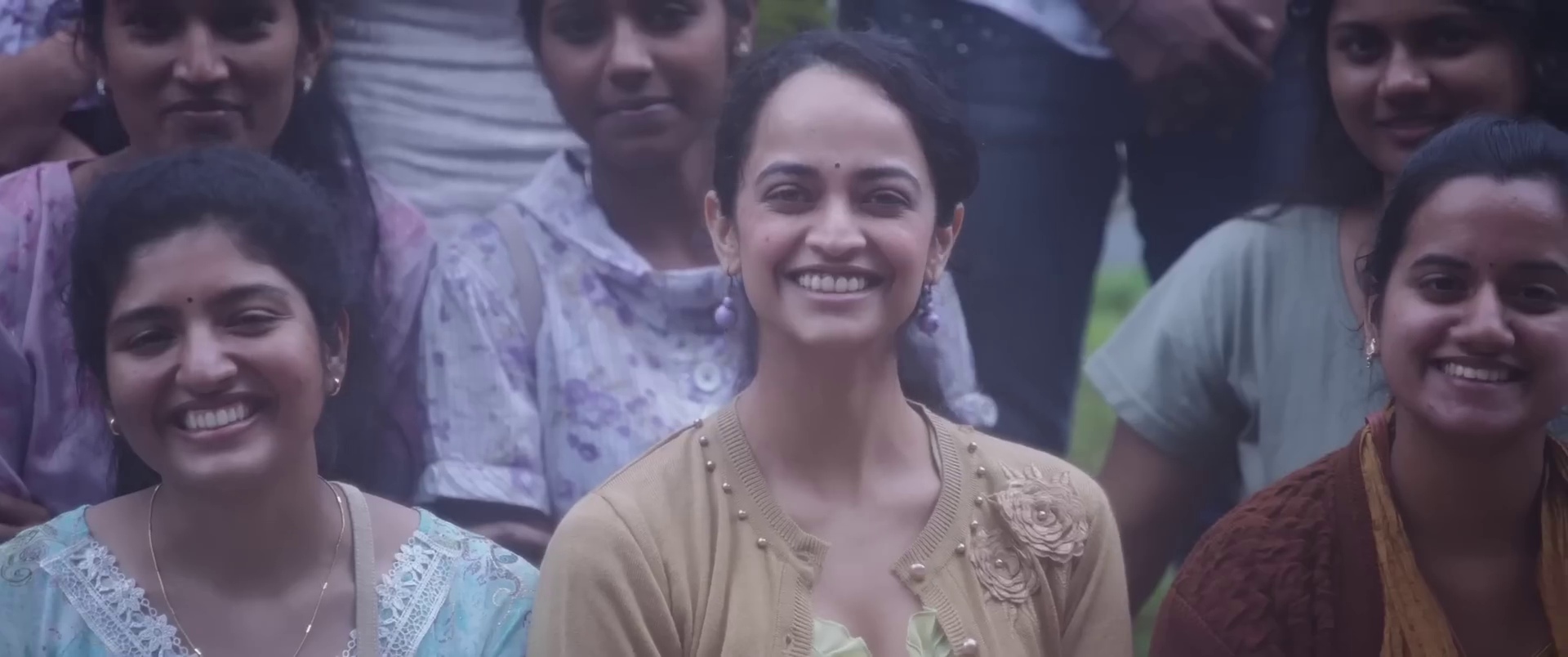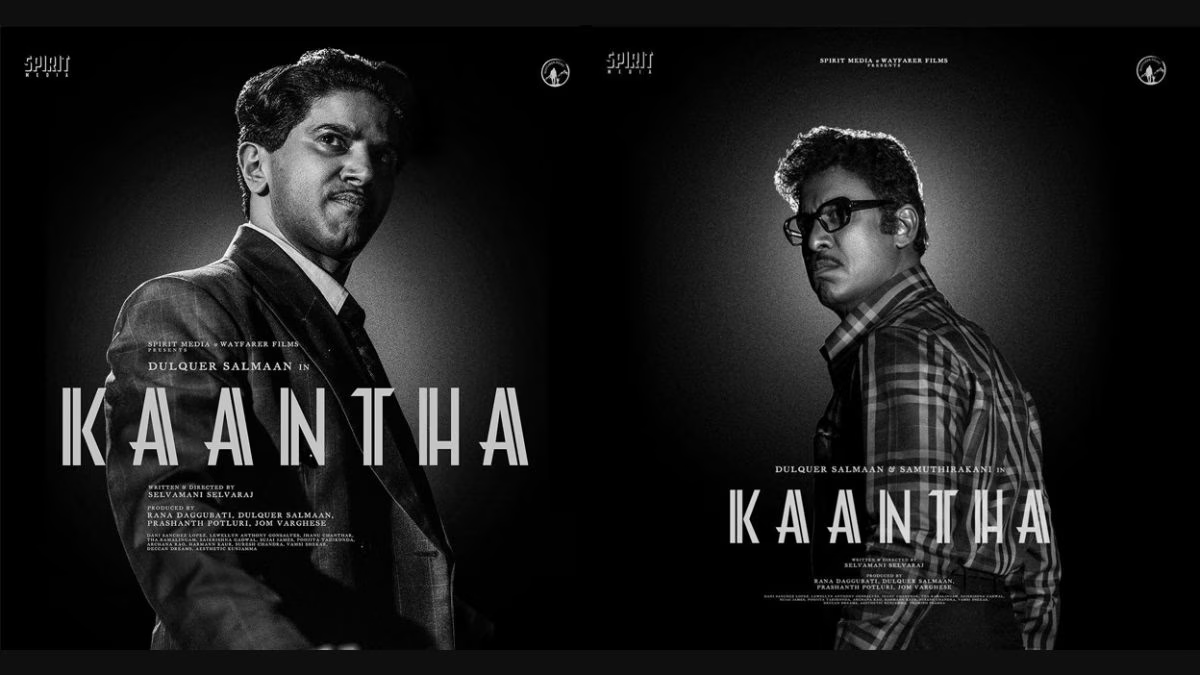
There’s something truly special about films that take you back in time and still feel deeply personal. Kaantha is one of those rare Tamil films that dares to slow down, take its time, and tell a story that hits hard. Set in post-independence 1950s Madras, this film is more than just a period drama. It’s a layered story about ego, betrayal, and emotional regret in the world of cinema.
With Dulquer Salmaan leading the charge and Rana Daggubati, Bhagyashri Borse, and Samuthirakani backing him up, Kaantha delivers both heart and craft. Directed by Selvamani Selvaraj, this film offers a deep dive into the politics of art, fame, and identity.
Kaantha Movie Plot Summary
The film opens in a beautifully recreated 1950s Madras—rich in old-world charm, yet crackling with change. At the heart of the story is T.K. Mahadevan (played by Dulquer Salmaan), a rising actor with charm, talent, and a burning hunger to make it big. His mentor is a powerful filmmaker, Chandran Ayya (played by Samuthirakani), who treats him like a son. But fame has its cost.
A misunderstanding driven by pride spirals into something much bigger. What starts as a simple ego clash between mentor and protégé turns into a tragic downfall. Layer by layer, we see how personal choices, unspoken feelings, and unresolved regrets shape their destinies. The tension simmers quietly until the film takes a sharp turn into emotional horror and mystery in the final act.
This is not just a movie about actors and directors. It’s a reflection of how art can both heal and destroy.
Main Cast and Their Performances
Dulquer Salmaan as Mahadevan
Dulquer has played many memorable roles, but Kaantha might just be his most haunting. He fully transforms into Mahadevan—a man torn between ambition and guilt. His quiet scenes, especially the close-ups where words fail, speak volumes.
Rana Daggubati as Inspector ‘Phoenix’ Devaraj
Rana plays a mysterious, slightly eccentric investigator who adds fire to the second half. His role might confuse some viewers at first, but by the end, you see why he was crucial. He brings a new energy just when things feel like they’re slowing down.
Bhagyashri Borse as Kumari
Kumari is not your typical female lead. She’s strong, vulnerable, and layered. Bhagyashri Borse surprises everyone with her performance—delivering emotion with quiet strength. Her chemistry with Dulquer is mature and believable.
Samuthirakani as Chandran Ayya
Samuthirakani is brilliant as always. As the strict but loving mentor, he brings depth to a character that could’ve easily been one-note. He balances warmth with authority, making us care about his downfall.
Direction and Screenplay: Selvamani Selvaraj’s Masterstroke
Selvamani Selvaraj doesn’t spoon-feed the audience. He builds tension through silences, glances, and clever camera work. The screenplay, co-written with Tamizh Prabha and Sri Harsha Rameshwaram, focuses on emotional beats instead of flashy dialogue. There’s a lot of unspoken pain here, which is rare in commercial Tamil cinema.
The story unfolds slowly but purposefully. Every act feels earned. And when the film shifts gears into thriller territory in the final 30 minutes, it does so without losing its soul.
Cinematography, Music & Technical Brilliance
The film is a visual treat. Dani Sanchez Lopez’s cinematography brings 1950s Madras to life—not with bright colors, but with shadows, dusty streets, and smoky studios. Every frame feels lived-in.
Jhanu Chanthar and Jakes Bejoy handle the music and score beautifully. The haunting background music during the climax lingers long after the credits roll. The costume design by Poojita and Sanjana deserves special mention—especially the vintage sarees and old-school film sets.
Sound design also plays a big role. In quiet scenes, you can hear every whisper, every breath. It adds a layer of intimacy that pulls you in.
Themes Explored in Kaantha
Kaantha is not just a story of fame and downfall. It’s a reflection of the unseen struggles behind the scenes in the film world.
- Ego and power: How pride can destroy even the closest bonds.
- Art vs identity: Who owns the story—the director or the actor?
- Regret and redemption: What happens when it’s too late to say sorry?
- Gender dynamics: Kumari’s journey adds a quiet but powerful commentary on women in cinema.
These are big themes, but the film handles them with care.
Audience Reviews and Reception
Viewers have responded warmly, with the film earning an 8.5/10 rating on IMDb. While some found the pace slow, many appreciated the emotional depth and strong performances. Reviews praised Dulquer’s acting, the detailed storytelling, and the film’s fresh take on Tamil cinema.
This is not a film for those looking for mass masala or punch dialogues. It’s for people who enjoy layered storytelling, like in Mahanati or Iruvar.
Pros and Cons: Is It for Everyone?
Pros:
- Brilliant performances, especially by Dulquer and Bhagyashri
- Visually rich with authentic period details
- Strong emotional storytelling
- Unique mix of drama, mystery, and horror
Cons:
- Slow pace may test your patience
- Needs your full attention—no skipping scenes
- Not a commercial crowd-pleaser
Final Verdict: A Quiet Masterpiece
Kaantha is a rare Tamil film that treats its audience with respect. It doesn’t scream for attention—it whispers truths about art, love, and loss. If you’re willing to sit with it, to feel its quiet ache, it will stay with you long after the lights come on.
⭐ 4.5/5 – A hauntingly beautiful film that deserves to be watched on the big screen.
FAQs About Kaantha
Is Kaantha based on a real story?
No, but it feels very real. The characters and situations mirror real struggles in the film industry.
Where can I watch Kaantha?
It released in theatres on November 13, 2025. OTT release details are yet to be announced.
What language is the movie in?
Primarily Tamil, but also available in Telugu, Malayalam, Hindi, and Kannada.
What’s the genre of Kaantha?
It’s a mix of biography, drama, mystery, and psychological thriller.